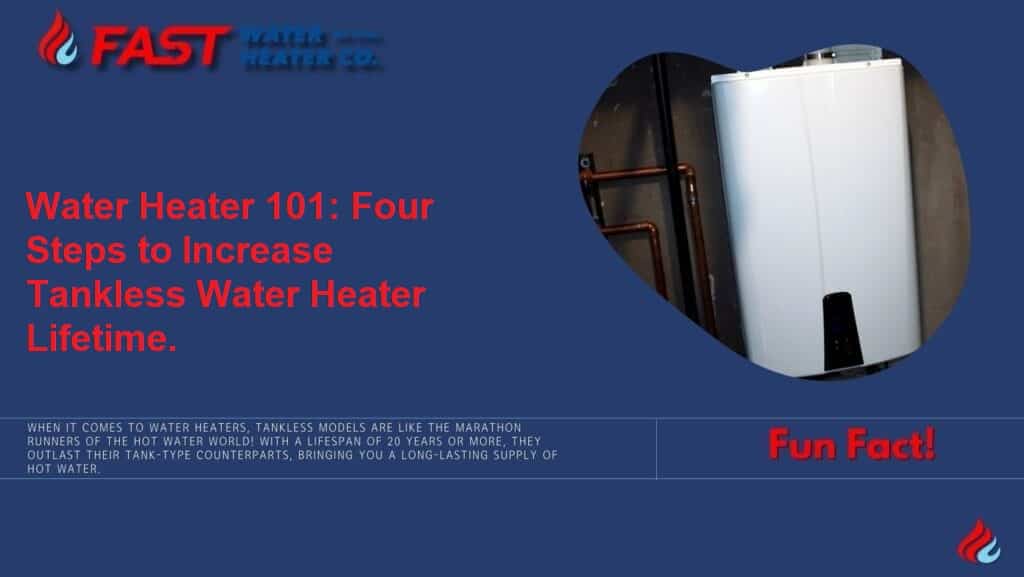
Tankless water heaters are known for their efficiency and ability to provide endless hot water, but like any machinery with moving parts, they require regular maintenance to perform at their best and last as long as possible. On average,
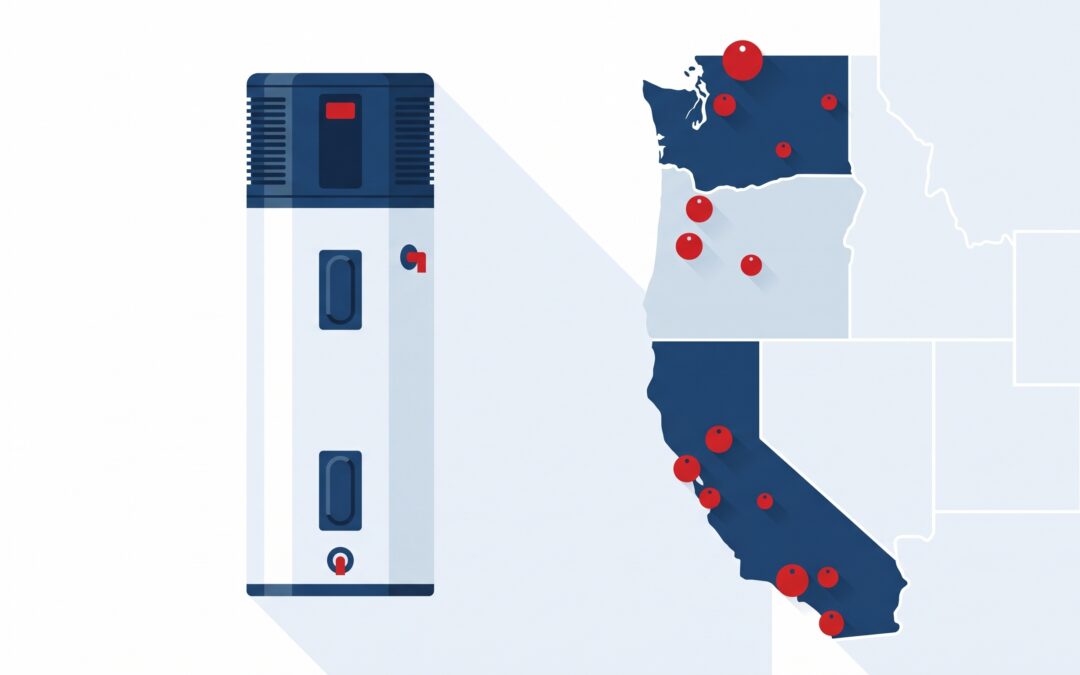
tankless water heaters last 15 to 20 years with proper care, but there are a few tasks that homeowners can implement to extend its life well past their expected lifespan. Here are four ways to keep your tankless water heater operating for as long as possible. Whether you live in
Washington,
Oregon, or
California, a little routine care goes a long way toward protecting your investment.
1. Descale Regularly
Mineral buildup from hard water is one of the biggest threats to the efficiency and longevity of tankless water heaters. Over time, minerals like calcium and magnesium accumulate inside the unit’s heating elements, clogging and restricting water flow, which decreases heating performance.
Descale your tankless water heater every 12 to 24 months, depending on the hardness of your water. Descaling involves flushing the system with a vinegar solution or a specialized descaling product removing mineral deposits. If you’re unsure about how to perform this task, consult your user manual or consider hiring
a professional.
2. Keep the Air Intake and Exhaust Vents Clean
Proper ventilation is essential for safe and efficient operation. The air intake and exhaust vents allow the unit to expel gases safely and draw in the air it needs to function. Over time, debris, dust, and animal nests clog the vents, reducing airflow and forcing the system to work harder.
Regularly inspect the air intake and exhaust vents for blockages or obstructions. Clean them using a soft brush or vacuum to ensure there’s no buildup. Also, make sure the venting system is installed according to the manufacturer’s instructions to prevent any future issues.
3. Adjust the Temperature Setting
One of the simplest yet most effective ways to extend the life of your tankless water heater is by setting the temperature a little lower. Many tankless heaters are set to heat water to 120°F by default, but some homeowners may unknowingly set the temperature higher, placing extra strain on the heating elements.
For optimal longevity, set the temperature between 120°F and 130°F. This reduces the risk of overheating and ensures the heater isn’t working harder than it needs to. As a bonus, reducing the temperature setting also lowers your energy bills.
4. Clean the Filters
Your tankless water heater will likely have an air filter near the intake on the inside, which can collect minerals and debris over time. Many times homeowners can not locate the air filter location, so be sure to refer to the owner’s manual. Likewise, some tankless water heaters contain
water filters, located near the cold water inlet.
For both air and water filters, remove and gently clean with a soft bristle brush, such as a toothbrush. Use mild soap, such as dishwashing liquid. Be sure to place back in the same orientation.
Schedule Regular Professional Maintenance
While homeowners can perform some routine maintenance on their tankless water heaters, it’s always a good idea to schedule annual or bi-annual professional check-ups. A certified technician can perform a thorough inspection, flush the system, and check for potential issues preventing bigger problems down the road.
Routine professional maintenance helps catch any small issues early, which can save you from costly
repairs or
replacements later. During a professional service visit, a technician may also check gas lines, electrical connections, and ensure that everything is operating at peak efficiency. Have a traditional tank water heater too? Check out our guide on
7 steps to extend your water heater’s lifespan.
Schedule Service with Fast Water Heater
Need professional help with your tankless water heater? Fast Water Heater serves homeowners across the West Coast, including
Washington,
Oregon, and both
Northern and
Southern California. Our certified technicians provide expert
maintenance and repairs, flushing, descaling, and full
installation services to keep your tankless system running at peak efficiency for years to come.
Contact us today to schedule service in your area.